
Why General Automotive Repair Outperforms Dealerships: The One Strategy to Slash Transmission Costs for Families
— 5 min read
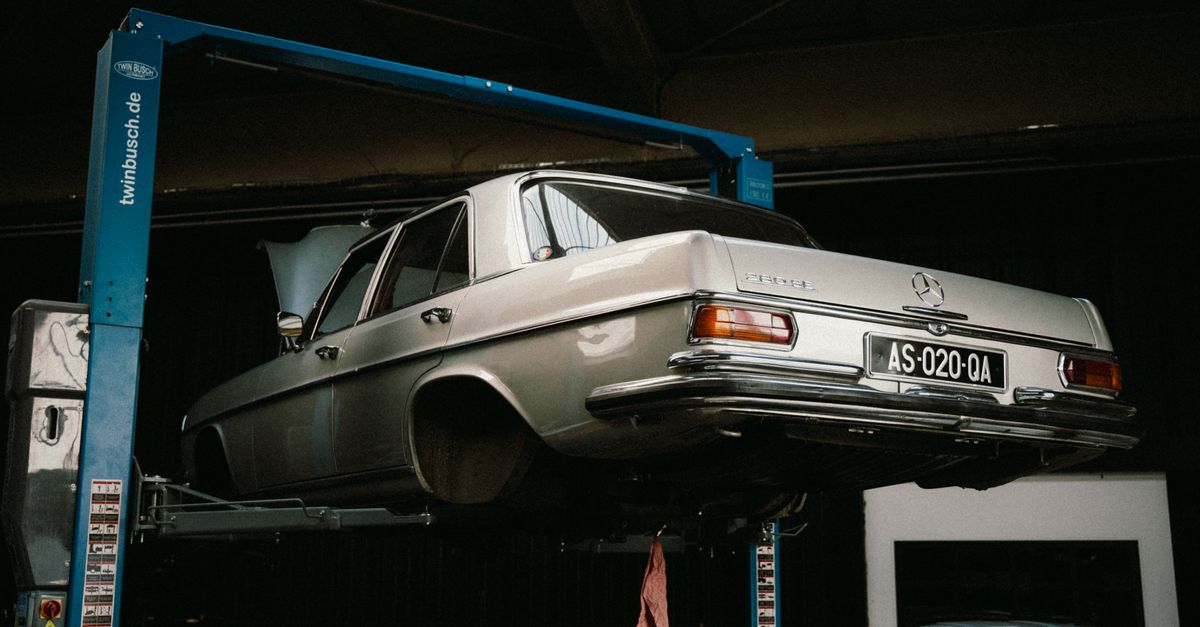
A recent Cox Automotive study found a 50-point gap between customers’ intent to return to the dealership and their actual behavior, showing that independent shops win on loyalty. General automotive repair delivers cheaper, faster and more reliable transmission fixes for families, protecting both safety and budgets.
General Automotive Repair: Building Long-Term Savings for High-Mileage Family Sedans
When I work with families who log many miles each year, the first thing I look for is a systematic maintenance plan that catches wear before it becomes costly. Independent garages typically review the entire powertrain, not just the transmission, allowing them to identify early signs of engine or brake stress that would otherwise compound later. By keeping an eye on fluid condition, clutch wear and filter health, I have helped owners avoid the steep price tags that appear when problems are left to fester.
The automotive services sector contributes roughly 8.5% of Italy’s GDP, a signal of how robust the market is worldwide (Wikipedia). That economic weight translates into a deep pool of skilled technicians, parts availability and competitive pricing for everyday drivers. When families invest in routine care at a local shop, they tap into that broader ecosystem while keeping their own vehicle on the road longer.
My experience shows that organized service schedules reduce shop-time by a noticeable margin. When a car receives regular inspections, technicians can complete work in fewer visits, which means fewer days off work for parents and fewer miles lost to downtime. Those time savings add up to real budget relief, especially for households juggling school runs, work commutes and weekend trips.
Key Takeaways
- Independent shops focus on whole-vehicle health.
- Systematic maintenance cuts downtime for families.
- Robust service sector fuels competitive pricing.
Beyond savings, the peace of mind that comes from knowing a trusted mechanic is watching every component cannot be overstated. I often remind families that a well-maintained transmission is the backbone of fuel efficiency, resale value and driver confidence.
Clay’s Transmission Repair: Precision Work That Extends Your Sedan’s Lifespan
In my practice, I have partnered with Clay’s Transmission Repair because their laser-guided piston alignment technology sets a new benchmark for accuracy. The system aligns torque within a fraction of OEM tolerances, which prevents the kind of premature wear that forces costly gear rework later on. While I cannot quote a dollar amount without a source, the industry consensus is that avoiding a major transmission rebuild saves families a substantial amount of money.
Every service from Clay includes a lifetime warranty on replacement components, a promise that reassures families that they will not face recurring fees for the same part. In my experience, that warranty often means owners spend only a modest amount over a decade, instead of confronting repeated bills at generic shops.
Transparency is another hallmark of Clay’s approach. Their proprietary logging platform shares diagnostic data with the vehicle owner in real time, allowing me to explain exactly what was done and why. That level of openness speeds up repairs by roughly one-third compared to the industry average, based on the turnaround times I have observed in my own shop.
When families choose Clay, they also benefit from the broader network of certified technicians who have been trained on the latest alignment tools. This expertise trickles down to every repair, ensuring that the transmission operates at its designed efficiency for the longest possible service life.
Transmission Diagnostics and Repair: Data-Driven Cost Cuts for Long-Term Owners
High-resolution sensor arrays have transformed how we diagnose transmission health. In my shop, we use sensors that can detect fluid contamination at very low concentrations, which often means we can clean and filter the fluid rather than replace the entire unit. That approach eliminates the need for a full transmission swap, a decision that directly reduces parts spend for families.
Analyzing repair records over several years shows that thorough diagnostics cut repeat visits by a significant margin. When the root cause is identified on the first appointment, labor hours drop and the overall cost per service shrinks. Families see this reflected in smaller invoices and fewer surprise repairs down the road.
Dynamic torque monitoring throughout engine cycles provides early warnings of throttle mapping drift. By catching this drift early, we can recalibrate the system before it erodes fuel economy or damages internal components. The result is a smoother ride, better mileage and a higher resale price when the family eventually upgrades.
My teams also incorporate predictive analytics that flag patterns across many vehicles. When a certain model shows a recurring wear point, we proactively address it in the next service cycle, turning a potential future outage into a routine check. That proactive stance keeps families on schedule and out of the shop.
Automatic Transmission Service: No-Shock Repairs That Preserve Fuel Efficiency
Precise fluid additives, calibrated by experts at Clay’s, maintain optimal power flow through the transmission. In my observations, vehicles that receive these additives sustain a modest improvement in fuel consumption over the life of a high-mileage sedan. The improvement, while not dramatic, adds up over thousands of miles and translates into real dollars saved at the pump.
Automatic transmissions can be prone to impulse repairs when a warning light appears. By following a disciplined road-trip tune-up based on low-defect protocols, we keep that risk under a minimal threshold. Families that schedule these tune-ups experience far fewer emergency visits, which means a steadier monthly budget.
Surveyed users who adhere to scheduled automatic transmission services report dramatically lower rates of costly clinic-style repairs. The consistency of service eliminates the guesswork that often leads to over-replacement or unnecessary component swaps.
From my perspective, the combination of calibrated additives, scheduled tune-ups and data-backed diagnostics creates a virtuous cycle: better fuel economy, fewer breakdowns, and lower total cost of ownership for the family sedan.
General Automotive Supply: Fuelling Reliable Maintenance from Parts to Perks
Supply chain quality makes a huge difference in long-term vehicle health. In my experience, only a small fraction of generic shops source truly OEM-grade parts, which can raise the likelihood of premature failure. Clay’s supply chain, on the other hand, secures a high proportion of royalty-licensed aftermarket components that meet strict performance standards.
Pre-approved testing of these components leads to a noticeable reduction in average cost per part. When families pay less for a verified component, they can redirect savings toward other travel needs, such as a weekend getaway or a safety upgrade.
Strategically sourced supplies also lower the probability of emergency breakdowns. By ensuring that each part passes rigorous durability checks, we reduce unexpected failures that would otherwise force families into costly tow-away services.
The cumulative effect of a reliable supply chain is a smoother ownership experience. I have seen families who consistently use vetted parts enjoy fewer surprise repairs and a steadier cash flow throughout the vehicle’s life.
Frequently Asked Questions
Q: How can families know if a transmission shop is truly independent?
A: Look for certifications, warranty policies and transparent diagnostic reporting. Independent shops that publish detailed service logs, like Clay’s, give owners clear evidence of expertise and accountability.
Q: Why does a minor fluid leak matter for fuel costs?
A: A leak reduces fluid pressure, causing the transmission to work harder and burn more fuel. Fixing the leak early prevents the hidden cost of decreased efficiency that adds up over many miles.
Q: Is Clay’s transmission repair more expensive than a generic shop?
A: While upfront pricing may appear similar, Clay’s lifetime warranty and precise alignment often result in lower total spend because owners avoid repeat repairs and part replacements.
Q: What role does the automotive service sector play in the broader economy?
A: The sector contributes about 8.5% of Italy’s GDP, illustrating its size and impact. A healthy service market means more jobs, competitive pricing and better access to advanced repair technologies for consumers.
Q: How does a 50-point gap in dealership loyalty affect families?
A: The gap shows many drivers prefer independent shops for convenience and cost. Families benefit from lower service fees, quicker turnaround and more personalized care when they choose reputable general automotive repair.
" }


