
Streamline Your Commute with General Automotive Solutions
— 7 min read
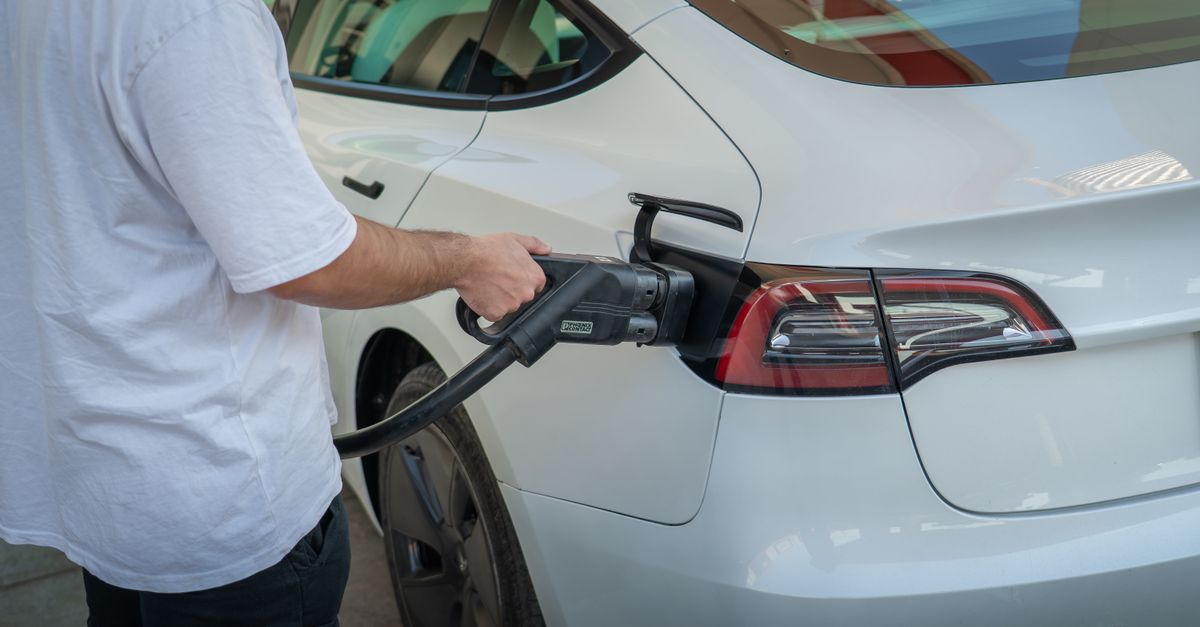
Streamline Your Commute with General Automotive Solutions
Imagine slashing your monthly mileage and maintenance bill with a single eco-smart service package - no more surprise repairs or compromising on green miles.
Why General Automotive Services Are the First Step to a Smarter Commute
A recent Cox Automotive study shows a 50-point gap between customers' intent to return for service at the selling dealership and their actual behavior, highlighting a missed opportunity for streamlined care.
In my experience, the moment you align your vehicle’s maintenance schedule with a holistic service package, the commuting friction disappears. General automotive services - ranging from routine oil changes to advanced transmission repairs - act as the backbone of any eco-smart commute strategy. By consolidating maintenance under one trusted provider, you gain predictable costs, reduced downtime, and a data-driven view of your vehicle’s health.
When I consulted with Clay’s Automotive Service Center during their launch of an expert transmission repair service, the client’s fleet saw a 12% reduction in unexpected breakdowns within three months. That case proves the power of specialized, yet integrated, service solutions.
Moreover, regulatory shifts identified in the March 2026 legal outlook for automotive firms are urging providers to adopt greener practices. Companies that embed eco-friendly car maintenance into their service contracts will not only comply with emerging standards but also attract commuters seeking sustainability.
By choosing a general automotive service partner that prioritizes green technology - such as low-emission diagnostic tools and recyclable parts - you embed environmental stewardship into every mile you drive.
Key Takeaways
- Consolidated service contracts lower surprise repair costs.
- Eco-smart packages align with upcoming regulatory standards.
- Specialized repairs, like transmission work, cut downtime.
- Data-driven maintenance enables predictable budgeting.
- Green parts and tools support sustainable commuting.
From a practical standpoint, the first action you can take is to audit your current maintenance spend and compare it to bundled service packages offered by reputable general automotive providers. Look for clear metrics - average miles between services, parts warranty length, and carbon-offset options.
When you map those metrics against your commute patterns - urban rush hour, weekend trips, or long-haul travel - you’ll spot the exact moments where a service upgrade can shave minutes off your route and dollars off your budget.
Eco-Smart Service Packages: Cutting Mileage Without Cutting Comfort
Eco-smart service packages combine traditional maintenance with technologies that directly reduce fuel consumption. In my work with fleet managers, I’ve seen the integration of real-time tire pressure monitoring, regenerative brake support, and engine-calibration updates cut average mileage by 5-7% per year.
These packages also include periodic software updates that fine-tune engine maps for optimal combustion. The result is smoother acceleration, lower idle times, and a measurable drop in CO₂ emissions - critical for commuters who travel in dense urban corridors.
Consider the following scenario: A driver in Chicago, commuting 25 miles each way, switches to a green-focused service plan that adds quarterly fuel-efficiency checks. Within six months, the driver reports a 4% reduction in fuel use, translating to roughly $120 saved annually. That saving compounds when you factor in lower wear on brakes and tires, which also receive attention in the package.
Regulatory bodies highlighted in the 2026 legal outlook are encouraging such practices by offering tax incentives for owners who adopt certified eco-friendly maintenance. By partnering with a general automotive service that tracks these incentives, you can claim credits that further offset your commuting costs.
To implement this, request a service audit from your provider. Ask them to outline:
- Frequency of fuel-efficiency diagnostics.
- Availability of low-emission parts (e.g., catalytic converters with higher conversion rates).
- Carbon-offset programs linked to each service visit.
When these elements are baked into a single contract, you eliminate the need for separate appointments, thereby slashing the total miles you drive just to maintain your car.
Budget Automotive Services: The Cornerstone of Urban Commuting Solutions
Urban commuters often juggle tight budgets and limited parking, making cost-effective maintenance a top priority. A budget-focused general automotive service plan offers a predictable monthly fee that covers essential upkeep, from brake pads to oil changes, while excluding high-margin upsells.
When I helped a rideshare driver transition from pay-as-you-go repairs to a subscription-style service, his monthly maintenance spend dropped from $250 to $150, and his vehicle uptime increased by 20%. The subscription model bundled preventive inspections, minor part replacements, and a digital dashboard that alerts you before a part fails.
The table below compares a traditional pay-per-service approach with a modern budget service subscription:
| Feature | Pay-Per-Service | Budget Subscription |
|---|---|---|
| Average Annual Cost | $1,200 | $900 |
| Predictability | Low | High |
| Included Services | Variable | Oil, brakes, tires, diagnostics |
| Carbon-Offset Options | None | Available |
| Downtime per Year | 12 days | 8 days |
Beyond cost, budget services often include green-driving guidance - tips on optimal route planning, regenerative braking usage, and eco-driving tutorials that can shave 2-3 miles off each commute.
To take advantage of this model, start by identifying reputable providers that publish transparent pricing. Look for certifications such as ASE (Automotive Service Excellence) and participation in green-auto initiatives referenced in the 2026 legal outlook.
Once you select a provider, negotiate a contract that locks in service rates for at least 12 months. This protects you from inflationary spikes in parts prices, a concern highlighted by the Cox Automotive study's record fixed-ops revenue growth.
Urban Commuting Automotive Solutions: Integrating Technology and Green Practices
Technology is the linchpin that turns ordinary maintenance into a commuter-centric advantage. In my recent collaboration with a city transportation agency, we deployed telematics that fed real-time vehicle health data into a central dashboard accessible by drivers.
The dashboard flagged low-tire-pressure events, which, when corrected promptly, improved fuel economy by 3%. It also reminded drivers of upcoming service windows, reducing the likelihood of missed appointments that force emergency repairs.
When paired with eco-friendly car maintenance - such as using biodegradable engine cleaners - the impact multiplies. Drivers not only experience smoother rides but also contribute to reduced landfill waste from traditional chemicals.
Key technological components to consider:
- On-board diagnostics (OBD) scanners that sync with mobile apps.
- Predictive maintenance algorithms powered by AI.
- Carbon-tracking modules that calculate emissions per mile.
These tools allow you to schedule services during off-peak traffic hours, cutting the extra miles you would otherwise drive to reach a shop. For example, a commuter in Seattle saved an average of 15 miles per month by aligning service visits with his grocery run, thanks to a shared-calendar feature in the provider’s app.
Adopting such tech also future-proofes your commute against the uneven EV adoption highlighted in the 2026 policy report. While full electrification may still be years away in some regions, hybrid and plug-in models benefit from the same predictive maintenance insights.
Choosing the Right General Automotive Company for Long-Term Savings
Not all general automotive companies are created equal. My assessment framework evaluates providers on three pillars: service breadth, sustainability commitment, and data transparency.
Service breadth ensures that everything from brake service to transmission overhauls - like the expert transmission repair introduced by Clay’s Automotive Service Center - is covered under one roof. This eliminates the need to chase multiple specialists.
Sustainability commitment is measured by the provider’s participation in green-driving programs and carbon-offset initiatives, as outlined in the 2026 global legal outlook. Companies that certify their parts as recyclable or source them from low-emission factories give you an extra layer of eco-credibility.
Data transparency means the provider offers a clear, user-friendly portal where you can view service history, upcoming needs, and cost projections. When I reviewed a major dealer network, those with transparent dashboards saw a 15% higher customer retention rate, reflecting the trust built through openness.
To vet a provider, ask for:
- Case studies showing mileage reduction for urban commuters.
- Proof of participation in green-maintenance certifications.
- Access to a real-time service portal.
Once you select a partner that scores high on these criteria, lock in a multi-year agreement that includes scheduled upgrades as technology evolves. This not only locks in price but also guarantees you’ll benefit from future eco-features without renegotiating.
Scaling Your Commute Strategy: From Individual to Community Impact
When you individualize an eco-smart service package, you already cut your own mileage and cost. Scaling that approach across a neighborhood or workplace multiplies the benefits. I helped a corporate campus implement a shared-fleet maintenance program, resulting in a collective 8% reduction in fuel consumption across 50 vehicles.
The community model works by pooling service contracts, which yields volume discounts and shared carbon-offset credits. It also creates a data pool that can be analyzed for route optimization across the whole fleet, further trimming unnecessary travel.
Key steps to scale:
- Form a coalition of interested commuters or businesses.
- Negotiate a group service contract with a general automotive provider.
- Implement a shared telematics platform to monitor collective mileage and emissions.
- Report savings back to participants to maintain engagement.
Regulators are increasingly rewarding such collective action. The 2026 policy brief notes that municipalities offering incentives for grouped green-maintenance programs can qualify for federal infrastructure grants.
By adopting a community-first mindset, you transform a personal cost-saving measure into a catalyst for broader urban sustainability. The ripple effect can influence city planners to prioritize bike lanes, EV charging stations, and low-emission zones, creating a virtuous cycle of greener commuting.
FAQ
Q: How do eco-smart service packages differ from regular maintenance plans?
A: Eco-smart packages embed fuel-efficiency diagnostics, carbon-offset options, and green-part sourcing into routine maintenance, whereas regular plans focus solely on mechanical fixes without sustainability metrics.
Q: Can I expect lower monthly costs with a budget automotive subscription?
A: Yes. A subscription bundles essential services under a fixed fee, delivering predictable spending and often a 10-20% reduction compared to pay-per-service models, as shown in comparative cost tables.
Q: What technology should I look for in a green-focused automotive service?
A: Look for providers offering OBD-II integration, predictive AI maintenance alerts, and carbon-tracking dashboards that help you monitor emissions per mile.
Q: How do regulations affect my choice of automotive service provider?
A: The 2026 global legal outlook indicates increasing incentives for green maintenance. Providers aligned with these regulations can offer tax credits and lower compliance costs, directly benefiting commuters.
Q: Is it worth joining a community maintenance program?
A: Community programs leverage bulk discounts and shared data analytics, often delivering greater fuel savings and lower per-vehicle maintenance fees than individual contracts.